Creating a home office that balances coziness with productivity can be a game-changer for anyone working remotely or juggling projects at home. A well-designed space not only boosts your efficiency but also makes your workday more enjoyable. Whether you have a dedicated room or a small corner, these tips will help you craft an environment that supports your best work and well-being.
Choose the Right Location
Finding the best spot for your home office is the first step. Ideally, select a quiet area with minimal distractions. Natural light is a bonus, as it improves mood and reduces eye strain. If possible, pick a space near a window to enjoy daylight and fresh air. If you’re short on space, a nook in the living room or bedroom can work well, as long as it’s organized and separate from leisure areas.
Invest in a Comfortable Chair and Desk
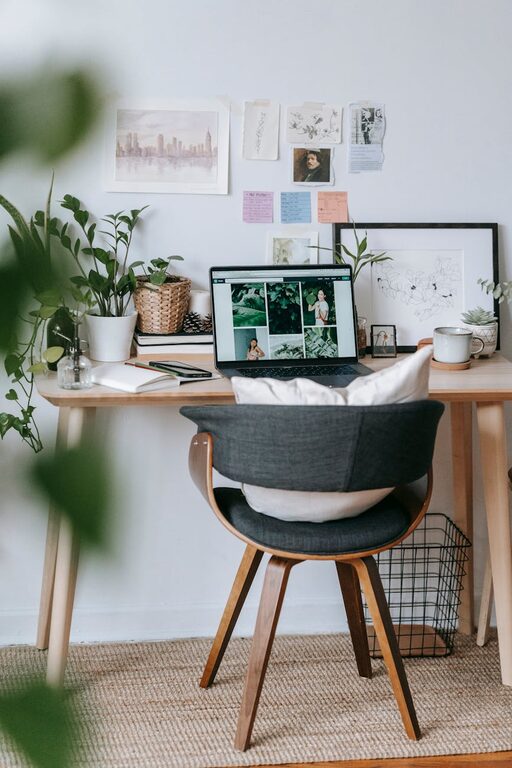
Your furniture plays a huge role in comfort and productivity. Choose an ergonomic chair that supports your back and encourages good posture. Adjustable chairs are great as they can be customized to your height and sitting preferences. For your desk, consider one that’s spacious enough for your computer, notes, and any tools you need, while also fitting well in your chosen space. Standing desks or adjustable ones that allow you to alternate between sitting and standing can add variety to your work routine.
Organize with Storage Solutions
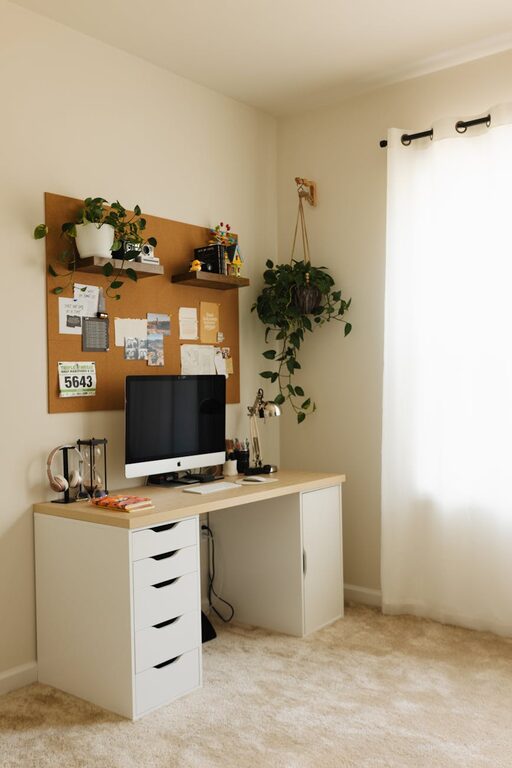
Clutter can hamper focus. Keep your workspace tidy and organized by incorporating smart storage options. Shelves, drawers, and filing cabinets help store papers, gadgets, and office supplies out of sight but within reach. Use desk organizers, baskets, or boxes to divide items and maintain neatness on your desk surface. Regularly declutter to keep only what you truly need at arm’s length.
Personalize Your Space
Making your office feel inviting encourages you to spend time there. Add personal touches like photos, artwork, or plants to bring warmth and creativity into the room. Plants, in particular, provide a splash of green and improve air quality, making your environment more pleasant and calming. Select decor items that inspire you but don’t overwhelm your space or distract you from work.
Optimize Lighting
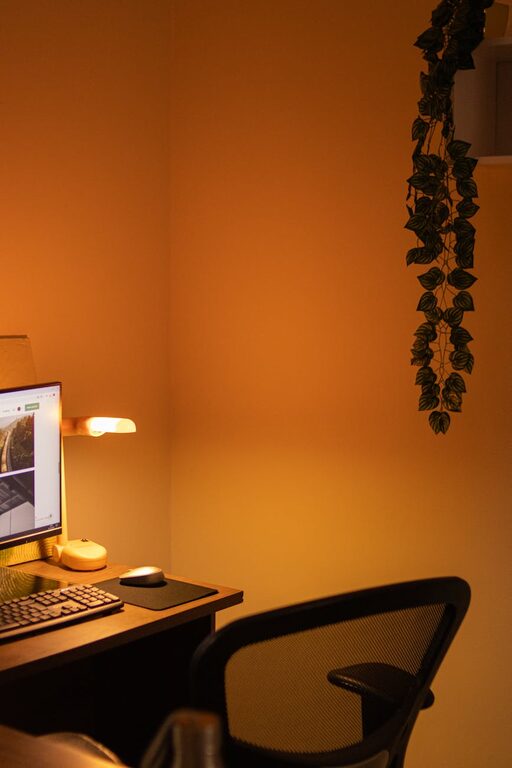
Good lighting reduces eye strain and helps maintain alertness. Besides natural light, add task lighting such as desk lamps or floor lamps with adjustable brightness. Warm white bulbs create a cozy atmosphere, while daylight bulbs can help keep you awake and focused. Avoid harsh overhead fluorescent lights that may cause fatigue or headaches.
Manage Noise Levels
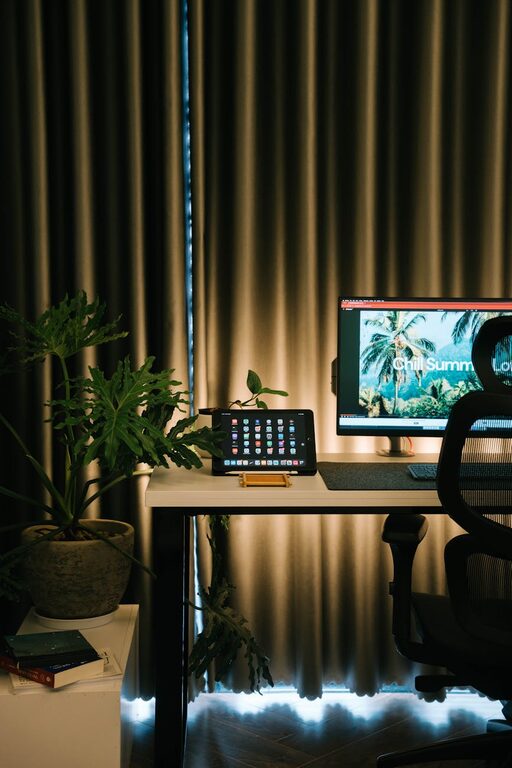
Noise can be a major distraction. If you can’t move your office to a quieter part of your home, consider soundproofing options like thick curtains, rugs, or weather stripping on doors and windows. Noise-canceling headphones or soft background music can also help drown out distractions and improve concentration.
Set Boundaries
Establish clear boundaries between work and home life. If you share your space with others, communicate your working hours and preferred quiet times. Use physical cues like a closed door or a dedicated workspace to signal when you’re “at work.” This helps reduce interruptions and reinforces your focus.
Keep Tech and Cables Under Control
A tangled mess of wires can be both annoying and dangerous. Use cable organizers, clips, or sleeves to keep cords neat and off your floor. Position your tech devices so that everything is easily accessible but not cluttered. Regularly clean your keyboard, mouse, and screen to maintain hygiene and performance.
Incorporate Break-Friendly Features
Encourage yourself to take healthy breaks by adding comforts such as a cozy chair or cushions nearby, a small coffee station, or a reminder to stretch. Taking short breaks boosts mental clarity and reduces fatigue. You might even place a small whiteboard or corkboard nearby to jot down quick ideas or motivational quotes.
Keep Air Fresh and Comfortable
Don’t forget the basics—make sure your workspace is well-ventilated and kept at a comfortable temperature. Poor air quality can lead to fatigue and decreased productivity. If fresh air isn’t an option, a small air purifier can improve your office environment.
—
By thoughtfully designing your home office with these tips, you can create a space that feels inviting while supporting focus and efficiency. Remember, your workspace should reflect your needs and preferences, so don’t hesitate to experiment and adjust until you find the perfect balance between cozy and productive. Happy working!