Creating a cozy and inviting home office space is essential for boosting productivity and comfort, especially as more people work remotely or spend time studying at home. A well-designed workspace not only makes your day more enjoyable but can also improve focus and reduce stress. Here are some practical tips to help you create a home office that feels welcoming and efficient.
Choose a Dedicated Space
Find the Right Spot
Selecting a specific location for your home office is the first step. Even if space is limited, try to find a quiet corner or a small room where you can separate work from home life. Having a designated area helps your brain associate that spot with productivity.
Consider Natural Light
Position your desk near a window if possible. Natural light enhances mood and energy, reducing eye strain. However, avoid glare on screens by adjusting blinds or using curtains.
Invest in Comfortable and Functional Furniture
Ergonomic Chair
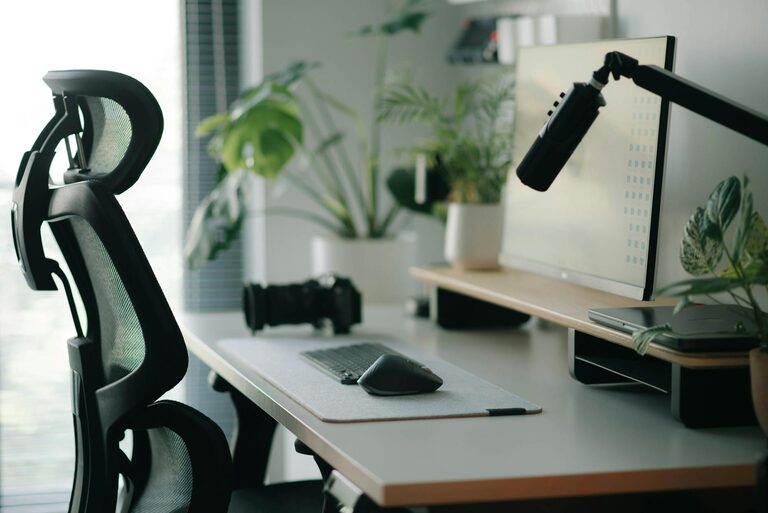
Your chair should support your back and promote good posture. Investing in an ergonomic chair can prevent discomfort during long work hours.
Suitable Desk
Choose a desk that fits your space and work needs. A clutter-free surface helps keep your mind clear. Adjustable desks that allow standing and sitting are a great option for variety.
Add Warm and Inviting Elements
Soft Textiles
Incorporate rugs, cushions, or blankets to add warmth and texture. These elements make the space feel more comfortable and less sterile.
Personal Touches
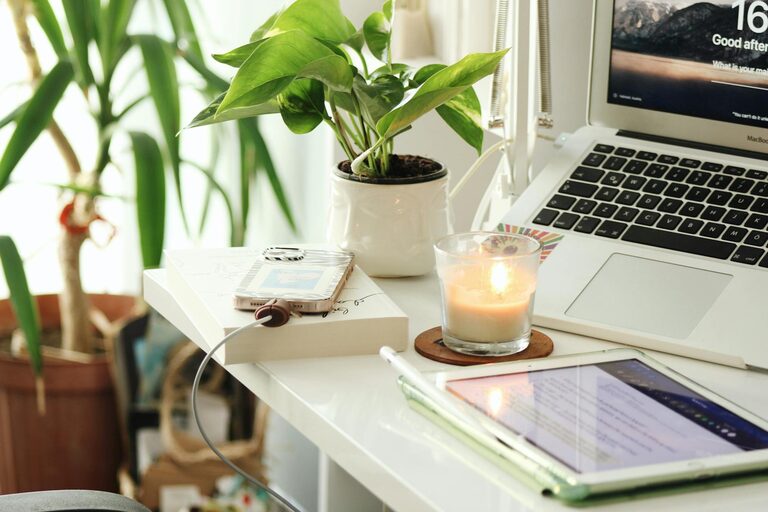
Decorate with items that inspire you—photos, artwork, or plants. Personal touches make the space feel uniquely yours and increase motivation.
Use Effective Lighting
Layered Lighting
Combine different types of lighting for a balanced atmosphere. Overhead lights provide general illumination, while desk lamps offer focused light for tasks.
Warm Light Bulbs
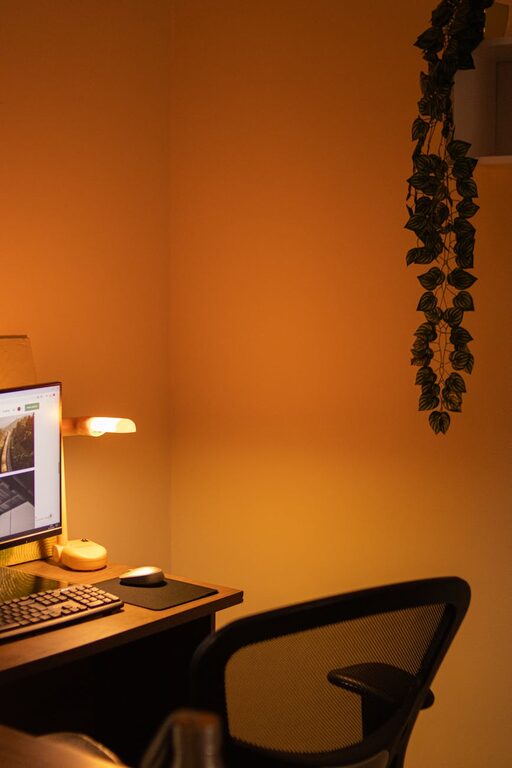
Choose bulbs with a warm color temperature to create a cozy ambiance. Avoid harsh, cool lighting that can make the space feel cold.
Organize for Efficiency
Declutter Regularly
Keep your workspace tidy to prevent distractions. Use storage solutions such as shelves, drawers, or boxes to keep supplies organized.
Easy Access
Arrange frequently used items within reach to avoid interruptions. Label containers if you have many tools or documents.
Manage Noise and Distractions
Soundproofing
Minimize noise with rugs, curtains, or sound-absorbing panels. If surrounding noise is unavoidable, consider noise-canceling headphones.
Digital Distractions
Limit distractions from devices by turning off unnecessary notifications and setting specific times to check emails or social media.
Incorporate Greenery
Indoor Plants
Adding plants improves air quality and adds a calming element to your environment. Choose low-maintenance varieties like succulents or pothos if you’re new to plant care.
Nature Views
If possible, position your workspace where you can see outdoor greenery. Views of nature can reduce stress and enhance creativity.
Maintain Good Air Quality and Temperature
Ventilation
Ensure your workspace is well-ventilated. Fresh air helps maintain alertness and comfort.
Temperature Control
Keep the temperature comfortable—not too hot or cold. Use fans, heaters, or humidifiers as needed to find the ideal setting.
Set Boundaries and Routine
Work Hours
Establish clear work hours and stick to them. This helps keep your professional and personal life balanced.
Breaks and Movement
Schedule short breaks to stretch or walk around. Regular movement reduces physical strain and keeps your mind fresh.
—
Final Thoughts
Creating a cozy and inviting home office space is a thoughtful process that combines comfort, practicality, and personal style. By paying attention to lighting, furniture, organization, and ambiance, you can design a workspace that not only feels welcoming but also supports your productivity and well-being. Take small steps toward this goal, and enjoy the positive impact on your work-from-home experience.