
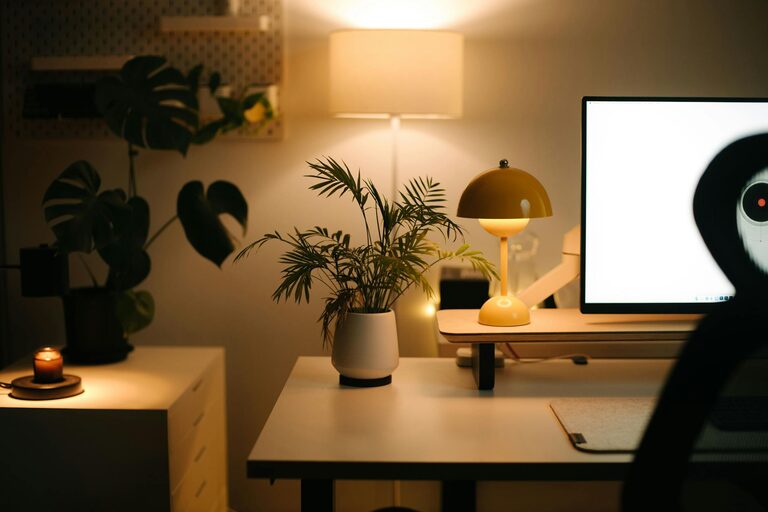
Creating a home workspace that is both relaxing and productive can make a significant difference in how you work and feel throughout your day. Whether you’re working remotely full-time or occasionally tackling tasks at home, a well-designed workspace helps reduce stress, maintain focus, and enhance creativity. Here are some practical tips to help you build a home office environment that supports your best work.
Choose the Right Location
Find a Quiet Spot
Start by selecting a quiet area where you are least likely to be disturbed. This might be a spare room, a corner of your living room, or even a section of your bedroom. The key is to have a dedicated space distinct from your relaxation zones so your brain associates the area with work.
Consider Natural Light
Natural light isn’t just pleasant; it also boosts mood and alertness. Whenever possible, position your desk near a window. This will reduce eye strain and create a more inviting atmosphere. If natural light is limited, invest in good quality artificial lighting that mimics daylight.
Invest in Comfort and Ergonomics
Choose an Ergonomic Chair
Comfort is essential for long hours at your desk. An ergonomic chair that supports your back and encourages good posture can prevent discomfort and fatigue. Look for adjustable features like seat height, lumbar support, and armrests.
Set the Right Desk Height
Your desk should allow your elbows to rest comfortably at about a 90-degree angle when typing. A desk that is too high or too low can cause strain. Adjustable desks or sit-stand desks offer flexibility to change positions throughout the day.
Organize to Minimize Distractions
Declutter Your Space
A cluttered workspace can increase stress and reduce focus. Keep only essential items on your desk and store the rest neatly. Use organizers, drawers, or shelves to maintain a tidy and functional environment.
Manage Cables and Tech
Untangling cords or dealing with malfunctioning equipment can interrupt your flow. Use cable organizers and label connections to keep technology orderly and accessible. Regularly check that devices like your computer, printer, and chargers are working properly.
Incorporate Elements That Promote Calm
Add Greenery
Plants not only brighten up your space but also improve air quality and reduce stress. Choose low-maintenance plants like succulents or spider plants that thrive indoors.
Use Soothing Colors
Colors affect mood and productivity. Soft, neutral tones like light blues, greens, or warm grays can create a calming backdrop. Avoid overly bright or distracting colors on walls or decor.
Play Soft Background Sounds
If silence feels too isolating, consider gentle background music, white noise, or nature sounds. These can help mask distracting noises and maintain focus without being intrusive.
Establish a Routine and Boundaries
Set Clear Work Hours
Defining when your workday begins and ends helps create balance and reduces burnout. Stick to your schedule as closely as possible.
Create Transition Rituals
Develop small habits that signal the start and end of your work time—like making coffee before work or tidying your desk afterward. These rituals help your mind shift gears.
Communicate Boundaries
If you share your home, let others know your work hours and the importance of minimizing interruptions. Use visual signals like a closed door or a “Do Not Disturb” sign if needed.
Personalize Without Overdoing It
Add Meaningful Items
Photos, artwork, or inspirational quotes can make your workspace feel welcoming and motivating. Surround yourself with things that uplift your spirits.
Avoid Overcrowding
While personal touches can enhance comfort, too many can create distractions. Find the right balance that feels inviting but keeps your focus sharp.
Take Breaks and Move Regularly
Follow the 20-20-20 Rule
To reduce eye strain, every 20 minutes, take a 20-second break and look at something 20 feet away. This simple habit can ease tension and refresh your vision.
Get Up and Stretch
Set a timer to remind yourself to stand up, stretch, or walk around every hour. Movement helps circulation and keeps energy levels up throughout the day.
Use Technology Wisely
Leverage Productivity Apps
Apps for task management, time tracking, or note-taking can help keep you organized and on track.
Limit Social Media and Distractions
Turn off non-essential notifications during work periods and consider using website blockers if you find yourself frequently distracted.
Final Thoughts
A relaxing and productive home workspace doesn’t require a large budget or a perfect room. Thoughtful choices about your environment, comfort, organization, and habits can create a space that helps you perform your best while feeling calm and focused. Start with small changes, observe what works best, and make adjustments to suit your unique needs. Your ideal workspace awaits!